
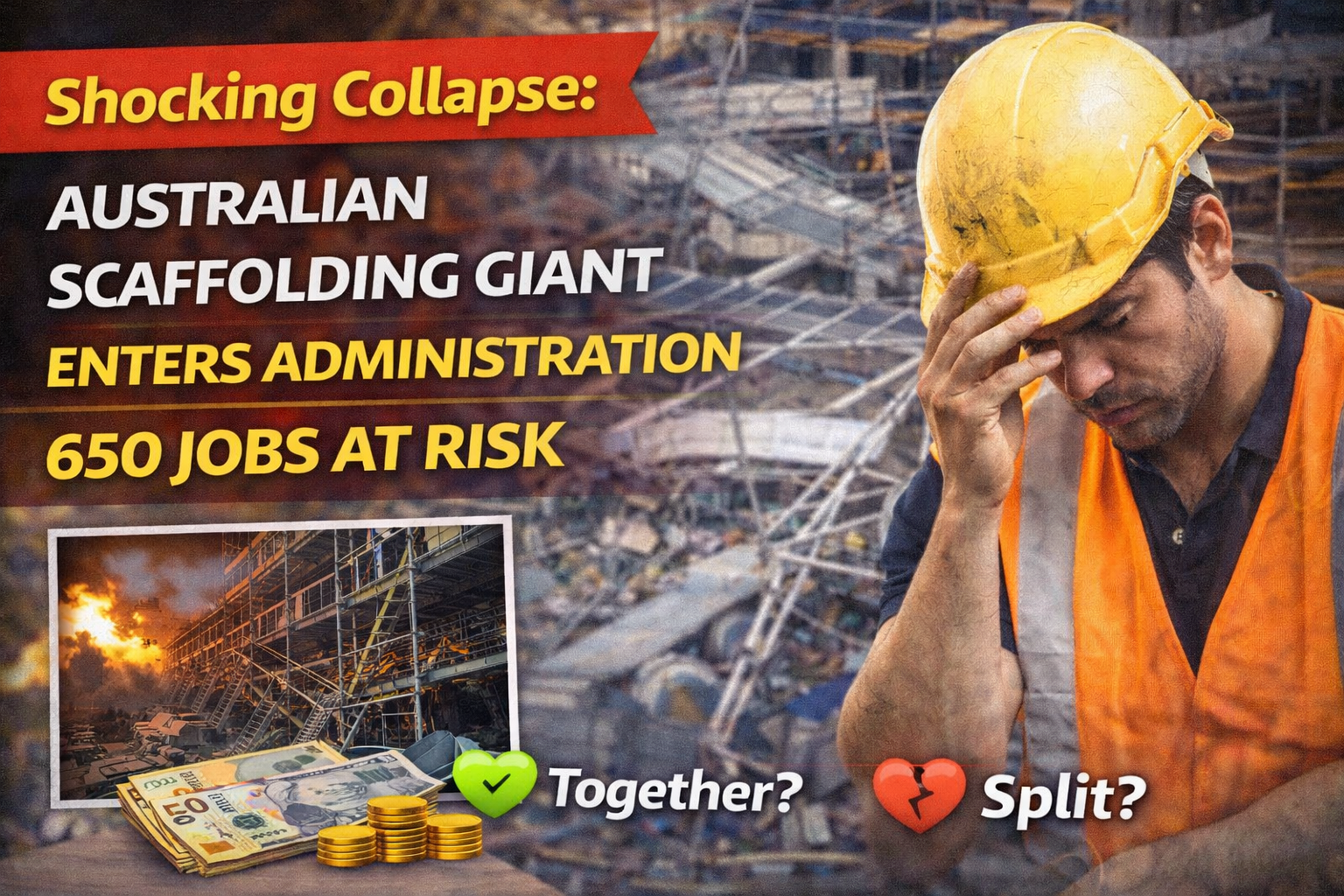
Introduction: Major Shock to Australia’s Construction Industry
Australia’s construction sector has been shaken after a major scaffolding company collapsed into administration, putting more than 650 jobs at risk across multiple states. The sudden financial distress of the scaffolding group has raised concerns about the stability of subcontractors in the building industry and the broader economic pressures facing construction companies.
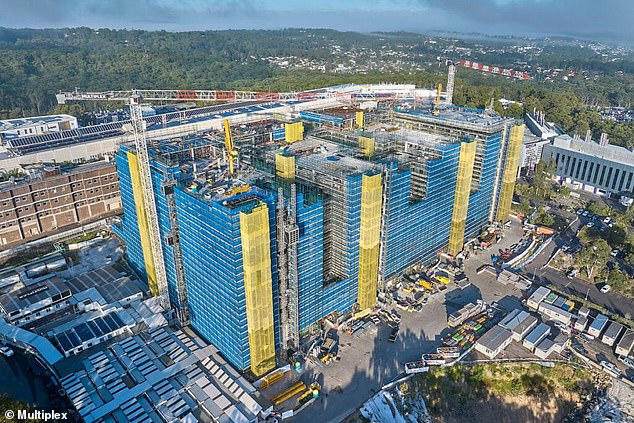
Administrators have now stepped in to assess the financial situation, secure ongoing operations where possible, and determine whether the company can be restructured or sold. The announcement has left hundreds of workers, contractors, and suppliers uncertain about their future while major construction projects face potential disruptions.
This development highlights growing pressures in Australia’s building sector, including rising material costs, supply chain disruptions, and tighter financial conditions.
Understanding Administration in Australia
What Does Entering Administration Mean?
When a company enters administration, independent financial experts are appointed to take control of the business and assess its financial health. In Australia, administrators are usually appointed under corporate insolvency laws to protect creditors while attempting to rescue the company.
The goal of administration is to determine whether the company can:
- Continue trading through restructuring
- Be sold to a new owner
- Be liquidated if recovery is not possible
During this process, administrators review financial records, negotiate with creditors, and explore potential investment options.
Role of Administrators
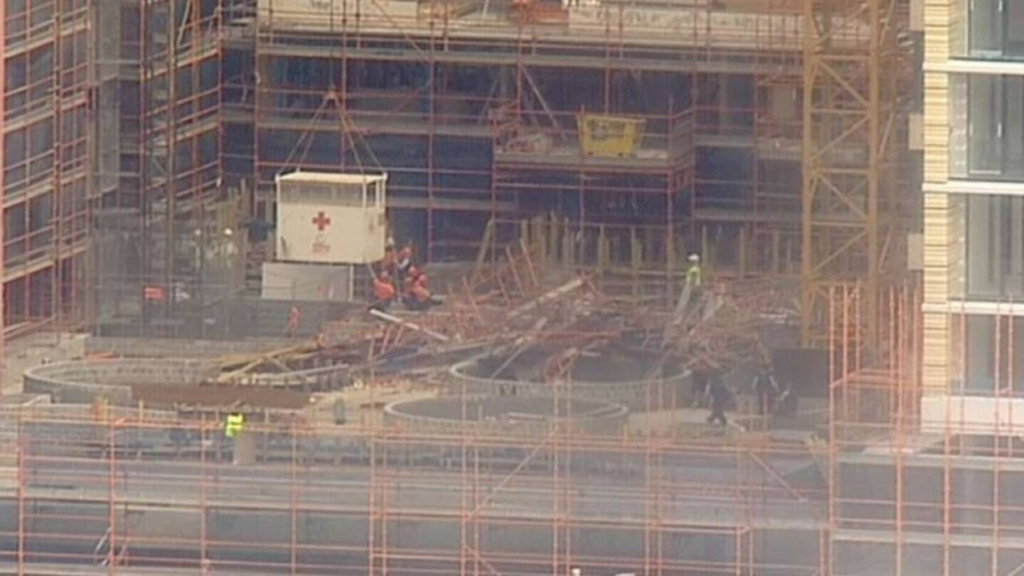
Administrators are responsible for stabilizing the company and protecting its assets. Their responsibilities typically include:
- Investigating the company’s financial situation
- Communicating with creditors and employees
- Exploring restructuring or sale options
- Determining the best outcome for stakeholders
In Australia, administration procedures are governed by the Australian Securities and Investments Commission.
The Scaffolding Company Collapse
What Happened to the Scaffolding Group?
The scaffolding company, which has been involved in major construction and infrastructure projects across Australia, entered administration after experiencing significant financial strain.
Industry analysts say the company had been dealing with a combination of challenges including:
- Rising operational costs
- Payment delays from contractors
- Tight margins in the construction sector
- Increasing interest rates and financing costs
These pressures eventually made it difficult for the company to maintain cash flow and meet financial obligations.
Scale of the Company’s Operations
Before entering administration, the scaffolding group operated across multiple states and employed hundreds of workers including:
- Scaffold installers
- Safety inspectors
- Logistics and transport staff
- Administrative personnel
The company provided scaffolding services for a wide range of construction projects, from residential developments to large commercial buildings and infrastructure projects.
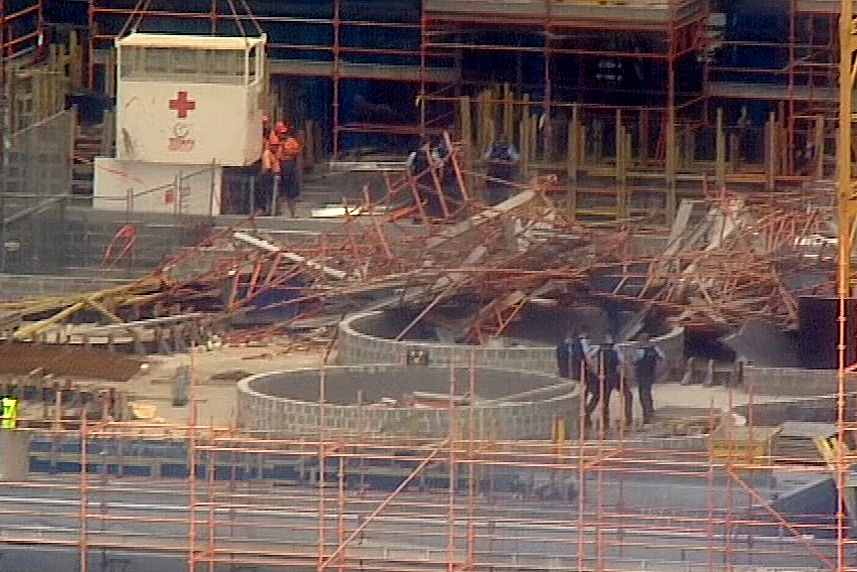
Over 650 Jobs at Risk
Workers Face Uncertain Future
One of the most concerning aspects of the administration is the impact on workers. More than 650 employees may be affected by the collapse, making it one of the largest job threats in the scaffolding industry in recent years.
Employees are currently waiting for administrators to determine whether operations can continue or whether layoffs will occur.
Workers have expressed concerns about:
- Job security
- Unpaid wages or entitlements
- Future employment opportunities
Administrators are now reviewing payroll obligations and employee entitlements.
Impact on Subcontractors and Suppliers
Beyond employees, the collapse could also affect hundreds of subcontractors and suppliers who rely on the company for work.
These businesses include:
- Equipment suppliers
- Transport companies
- Safety equipment providers
- Labor contractors
If the company cannot recover financially, many of these businesses may also face financial strain due to unpaid invoices.
Construction Industry Challenges in Australia
Rising Costs and Financial Pressures
The collapse of the scaffolding group reflects broader challenges within the Australian construction industry.
Several factors have created financial stress for companies, including:
Material Price Increases
Construction materials such as steel, timber, and concrete have experienced significant price increases over the past few years.
Labor Shortages
Australia’s construction sector has struggled with labor shortages, leading to higher wages and project delays.
Supply Chain Disruptions
Global supply chain problems have made it harder to obtain materials and equipment on time.
Impact of Interest Rate Increases
Rising interest rates have also contributed to financial difficulties for construction firms.
Higher borrowing costs affect companies in several ways:
- Increased loan repayments
- Reduced access to financing
- Lower profit margins on projects
These financial pressures have already pushed several construction companies into insolvency.
Effects on Major Construction Projects
Possible Delays on Building Sites
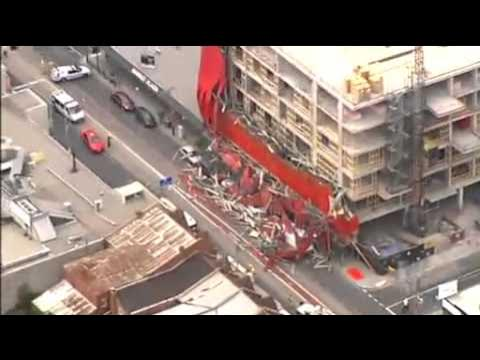
The scaffolding group provided essential services to many construction projects. With the company now in administration, some sites may face disruptions.
Scaffolding is a critical part of construction safety and accessibility, allowing workers to operate at height safely.
If replacement contractors cannot be found quickly, projects could experience delays.
Developers Seeking Alternative Contractors
Developers and builders are now scrambling to find alternative scaffolding providers.
However, replacing a contractor in the middle of a project can be challenging due to:
- Safety compliance requirements
- Equipment compatibility
- Scheduling constraints
This situation could increase costs and extend construction timelines.
Government and Industry Response
Calls for Support for Workers
Industry leaders and worker representatives are urging authorities to provide support for affected employees.
Government agencies may assist workers through employment programs and financial support services.
The government’s workplace authority, the Fair Work Ombudsman, may also help workers understand their employment rights and entitlements.
Industry Concerns About Insolvencies
Construction industry groups warn that more companies could face financial distress if economic conditions remain difficult.
Several industry associations have called for reforms aimed at improving payment security and financial stability for subcontractors.
How Administration Could Unfold
Possible Sale of the Business
One potential outcome of administration is the sale of the business to a new owner.
If a buyer is found, the company could continue operating under new management, preserving many jobs.
Administrators often look for investors willing to acquire assets and continue operations.
Restructuring the Company
Another possibility is restructuring the company’s finances.
This could involve:
- Renegotiating debts
- Reducing operational costs
- Reorganizing management
A successful restructuring could allow the company to continue trading.
Liquidation Scenario
If administrators determine that recovery is not possible, the company may enter liquidation.
In liquidation, the company’s assets are sold to repay creditors.
Unfortunately, this outcome often leads to job losses.
The Importance of the Scaffolding Industry
A Critical Part of Construction
Scaffolding companies play a crucial role in construction projects.
Their services enable workers to safely access building exteriors, rooftops, and elevated structures.
Without proper scaffolding systems, many construction tasks would be impossible.
Safety and Compliance
Scaffolding operations must comply with strict safety regulations.
In Australia, workplace safety standards are monitored by agencies such as Safe Work Australia.
Companies must ensure that scaffolding structures are properly installed, maintained, and inspected.
What Happens Next?
Administrator Investigations
Administrators will now conduct a detailed review of the company’s finances.
This process includes:
- Assessing assets and liabilities
- Reviewing contracts
- Consulting with creditors
Their findings will help determine the company’s future.
Creditor Meetings
Creditors will be invited to meetings where they can vote on the company’s future.
Possible outcomes include:
- Accepting a restructuring plan
- Supporting a sale of the business
- Proceeding with liquidation
These decisions will significantly influence the outcome of the administration.
Lessons for the Construction Sector
Importance of Financial Management
The collapse highlights the importance of strong financial management within construction companies.
Businesses must carefully manage cash flow and debt levels, particularly during periods of economic uncertainty.
Need for Industry Reform
Some industry experts believe the situation highlights the need for stronger protections for subcontractors and small businesses.
Improved payment systems and financial transparency could help reduce the risk of insolvencies.
Conclusion: A Critical Moment for Workers and the Construction Industry
The administration of a major Australian scaffolding group has created uncertainty for more than 650 workers and numerous contractors. As administrators examine the company’s financial position, the construction sector is watching closely to see whether the business can be saved or if further job losses are inevitable.
The outcome will not only affect employees and creditors but may also influence how construction companies manage financial risk in the future.
For now, workers, developers, and suppliers are waiting for answers while the administrators work to determine the best path forward for the struggling company and its stakeholders.
FAQs
1. What does it mean that the scaffolding group has entered administration?
When a company enters administration, independent financial specialists take control of the business to review its finances and determine the best path forward. The process is regulated under Australian corporate law and overseen by the Australian Securities and Investments Commission. The administrators will decide whether the company can be restructured, sold, or liquidated.
2. How many jobs are at risk due to the company entering administration?
More than 650 jobs could be affected by the scaffolding company’s financial collapse. Employees across different states are now waiting to learn whether the business can continue operating or if layoffs will occur.
3. Why did the scaffolding company enter administration?
The company reportedly faced financial pressure caused by several factors, including rising operational costs, delayed payments in the construction sector, supply chain challenges, and increasing interest rates that raised borrowing expenses.