
Introduction
Cyclone Vaianu Shock: Cyclone Vaianu may have been officially downgraded by meteorological authorities, but experts are raising serious concerns that this classification could create a false sense of security among residents and policymakers. While a downgrade often signals reduced wind intensity, it does not necessarily mean the threat has diminished. In fact, in many cases, the most destructive impacts of a cyclone occur after it weakens in terms of wind speed.
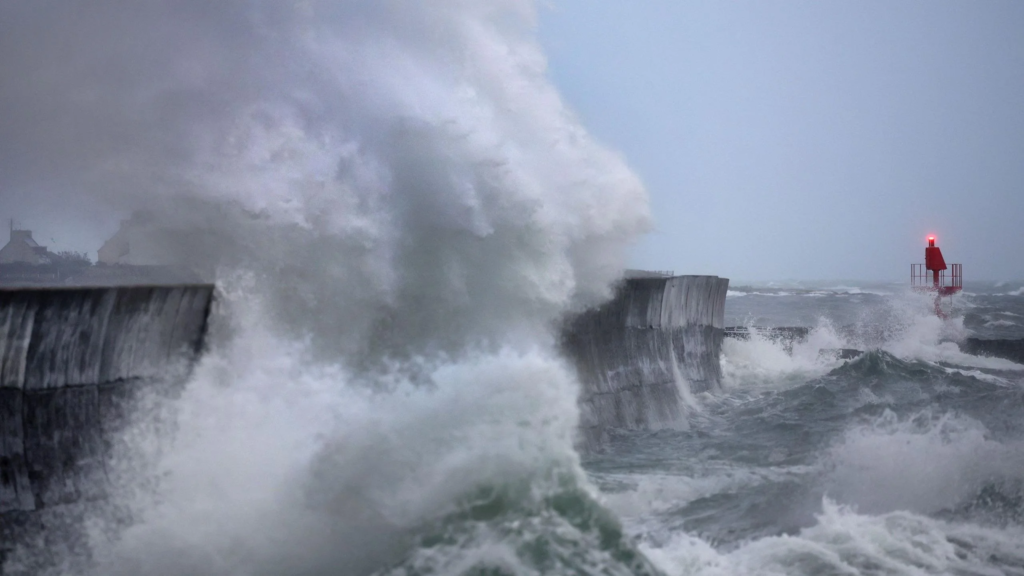
From torrential rainfall and flash flooding to storm surges and infrastructure damage, Cyclone Vaianu continues to pose a significant risk. Weather analysts, disaster management experts, and climate scientists are urging communities not to let their guard down.
This article explores why the downgrade may be misleading, what dangers still remain, and how people can prepare effectively.
Understanding Cyclone Downgrades: What It Really Means
Wind Speed vs Overall Impact
Cyclones are typically categorized based on wind speed. When wind speeds decrease below a certain threshold, the storm is downgraded. However, this classification does not account for other critical factors such as:
- Rainfall intensity
- Storm surge potential
- Duration of the system
- Geographic spread
A downgraded cyclone can still carry massive volumes of moisture, leading to devastating floods and landslides.
The Misleading Nature of Downgrades
Experts warn that the term “downgrade” often leads to complacency. People may assume the danger has passed, when in reality:
- Flood risks may increase
- Ground saturation can worsen
- Infrastructure may already be weakened
This misunderstanding can reduce preparedness and increase vulnerability.
Cyclone Vaianu: Current Situation Overview
Path and Progression
Cyclone Vaianu initially formed as a powerful system over warm ocean waters, rapidly intensifying due to favorable atmospheric conditions. While it has since weakened in terms of wind speed, it continues to move across vulnerable regions, bringing heavy rainfall and unstable weather patterns.
A Shift from Wind to Water Threat
As Vaianu slows down, it is dumping large amounts of rain over the same areas for extended periods. This significantly increases the risk of:
- Urban flooding
- River overflow
- Landslides in hilly terrain
Experts emphasize that slow-moving storms are often more dangerous than fast-moving ones.
Why Experts Are Raising Alarm
Increased Flooding Risk
Meteorologists highlight that Cyclone Vaianu’s moisture content remains extremely high. Even with reduced wind speeds, the storm can cause:
- Flash floods in urban areas
- Widespread rural inundation
- Damage to agriculture and livestock
Flooding is often the deadliest aspect of cyclones.
Infrastructure Vulnerability
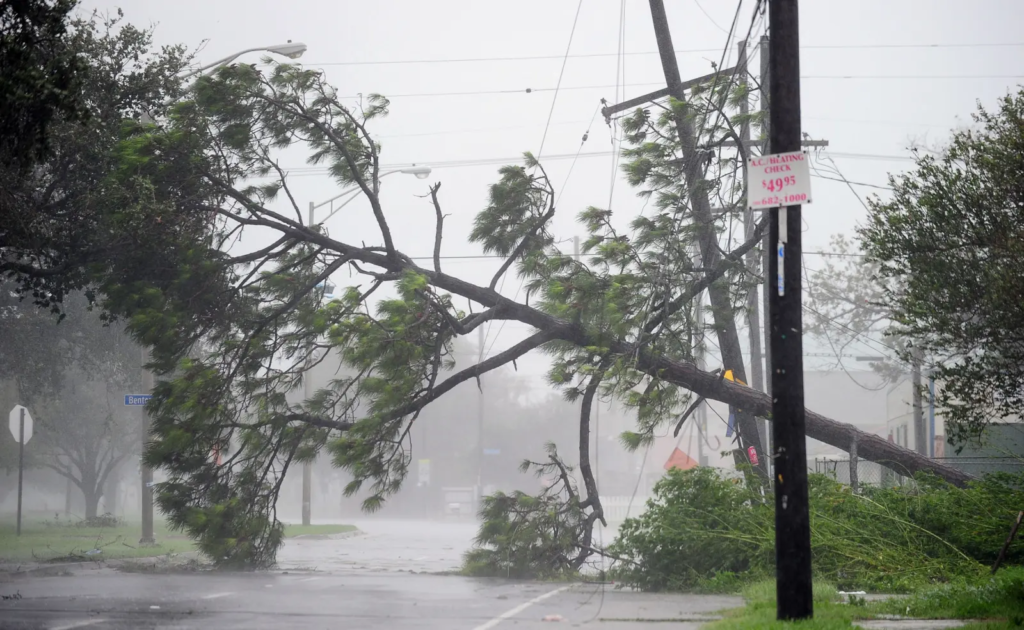
Buildings, roads, and power systems that were stressed during the storm’s peak are now more susceptible to collapse or failure. Continued rainfall can:
- Weaken foundations
- Trigger power outages
- Disrupt communication networks
Storm Surge Still a Threat
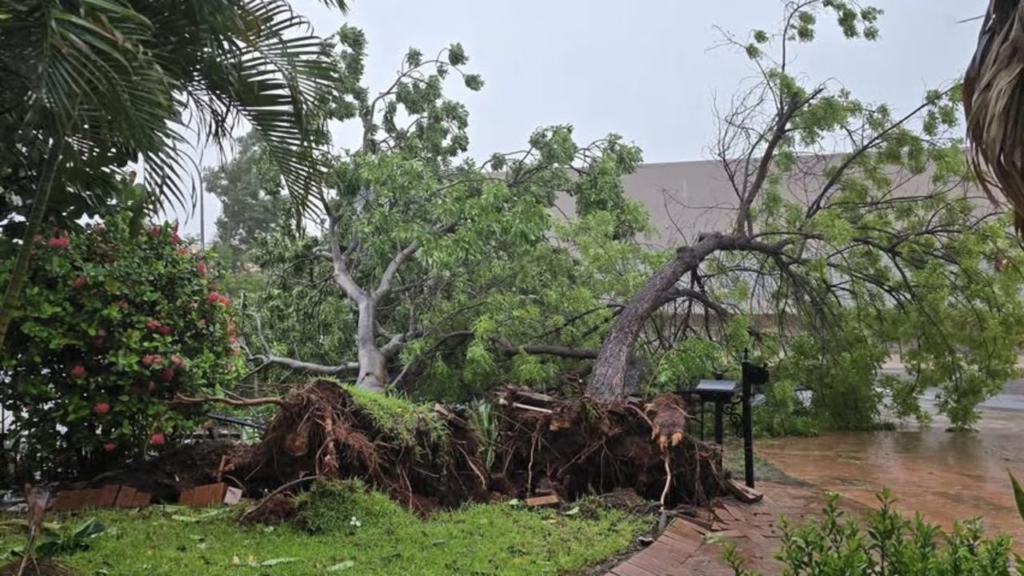
Coastal regions remain at risk due to lingering storm surge effects. Even after a downgrade, ocean levels can stay elevated, causing:
- Coastal erosion
- Saltwater intrusion
- Damage to fishing communities
The Science Behind Post-Downgrade Destruction
Saturated Ground and Landslides
When soil becomes saturated, it loses its stability. This can lead to:
- Landslides in mountainous regions
- Road collapses
- Blocked transportation routes
Prolonged Rainfall Events
Cyclone Vaianu’s slower movement increases rainfall accumulation. Unlike short bursts of intense rain, prolonged rainfall:
- Overwhelms drainage systems
- Causes rivers to overflow
- Extends the duration of disaster conditions
Climate Change Factor
Climate scientists point out that warming oceans are making cyclones more unpredictable. Even weaker storms are now capable of producing:
- Higher rainfall totals
- More intense localized flooding
- Longer-lasting impacts
Case Studies: When Downgraded Cyclones Caused Major Damage
Cyclones That Defied Expectations
History has shown that downgraded storms can still be deadly:
- Several past cyclones caused catastrophic flooding after weakening
- Loss of life often occurred due to underestimation of risk
- Economic damage remained severe despite lower wind speeds
These examples reinforce the importance of staying alert even after a downgrade.
Public Perception vs Reality
The Danger of Complacency
When authorities announce a downgrade, the public may:
- Return to normal activities too soon
- Ignore evacuation advisories
- Underestimate ongoing risks
This gap between perception and reality can be dangerous.
Role of Media and Communication
Clear communication is critical. Experts suggest that messaging should focus on:
- Ongoing risks rather than just storm category
- Specific hazards like flooding and landslides
- Practical safety advice
Impact on Communities
Urban Areas
Cities face unique challenges during cyclones:
- Drainage systems get overwhelmed
- Traffic disruptions increase
- Power outages affect large populations
Rural and Coastal Regions
Rural communities often bear the brunt of cyclone impacts:
- Crop destruction
- Livestock losses
- Limited access to emergency services
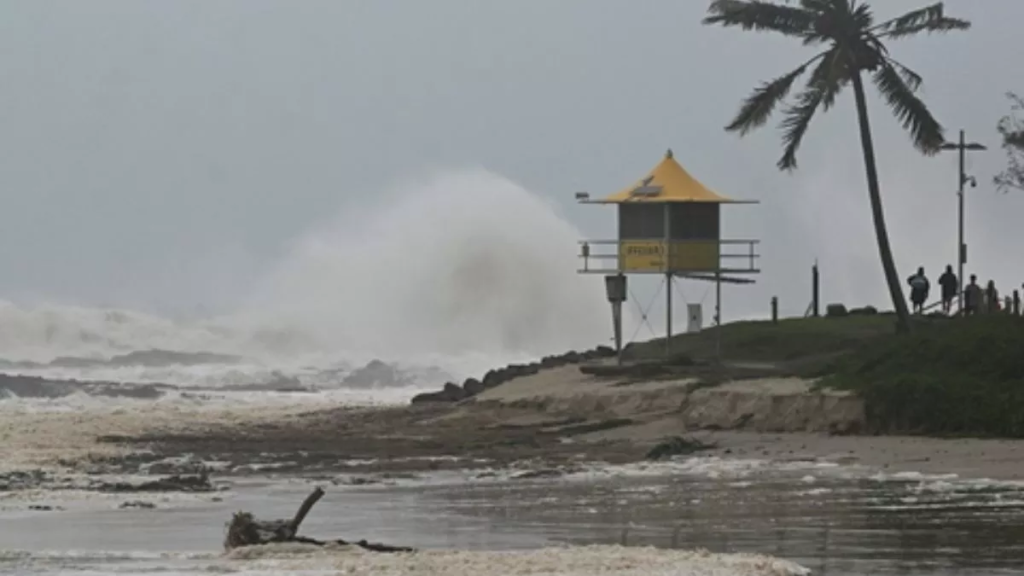
Coastal regions face additional threats from storm surge and erosion.
Emergency Response Challenges
Resource Allocation
Emergency services must adapt quickly as the nature of the threat changes from wind to water. This includes:
- Deploying rescue teams
- Managing evacuation centers
- Restoring essential services
Coordination Issues
Multiple agencies must work together effectively. Poor coordination can lead to:
- Delayed response times
- Confusion among residents
- Increased casualties
How to Stay Safe During a Downgraded Cyclone
Do Not Let Your Guard Down
Even if a cyclone is downgraded:
- Stay updated with official advisories
- Avoid flood-prone areas
- Follow evacuation orders if issued
Prepare for Flooding
Key safety steps include:
- Moving to higher ground
- Keeping emergency supplies ready
- Avoiding walking or driving through floodwaters
Secure Your Surroundings
- Check for structural damage
- Avoid loose electrical wires
- Keep communication devices charged
Government and Policy Implications
Improving Warning Systems
Authorities must improve how they communicate risks. This includes:
- Clearer messaging about non-wind hazards
- Real-time updates
- Community outreach programs
Infrastructure Resilience
Long-term solutions involve:
- Better drainage systems
- Stronger building codes
- Investment in flood defenses
The Role of Climate Awareness
Adapting to a New Reality
Cyclone Vaianu highlights a broader issue: extreme weather events are becoming more complex. Governments and communities must adapt by:
- Investing in climate resilience
- Educating the public
- Enhancing disaster preparedness
The Need for Global Action
Climate change is a global challenge. Addressing it requires:
- International cooperation
- Sustainable practices
- Reduction in greenhouse gas emissions
Conclusion
Cyclone Vaianu’s downgrade should not be mistaken for a reduction in danger. As experts continue to warn, the storm still poses significant risks through flooding, landslides, and infrastructure damage. The focus must shift from wind speed to overall impact.
Communities must remain vigilant, authorities must communicate clearly, and preparedness must remain a priority. In the face of increasingly unpredictable weather patterns, understanding the true nature of cyclone threats is more important than ever.
The lesson is clear: a downgraded cyclone is not a harmless one. Awareness, preparation, and timely action can make the difference between safety and disaster.
FAQs
1. What does it mean when a cyclone is downgraded?
A cyclone downgrade means that its wind speeds have decreased below a certain category level. However, this does not mean the storm is no longer dangerous, as it can still bring heavy rainfall, flooding, and other hazards.
2. Why is Cyclone Vaianu’s downgrade considered misleading?
Experts believe the downgrade is misleading because it focuses only on reduced wind speeds. Cyclone Vaianu still carries significant moisture, which can cause severe flooding, landslides, and widespread damage.
3. Can a downgraded cyclone still be dangerous?
Yes, a downgraded cyclone can still be extremely dangerous. In many cases, the most severe impacts—such as flooding and infrastructure damage—occur after the cyclone weakens.