
Introduction
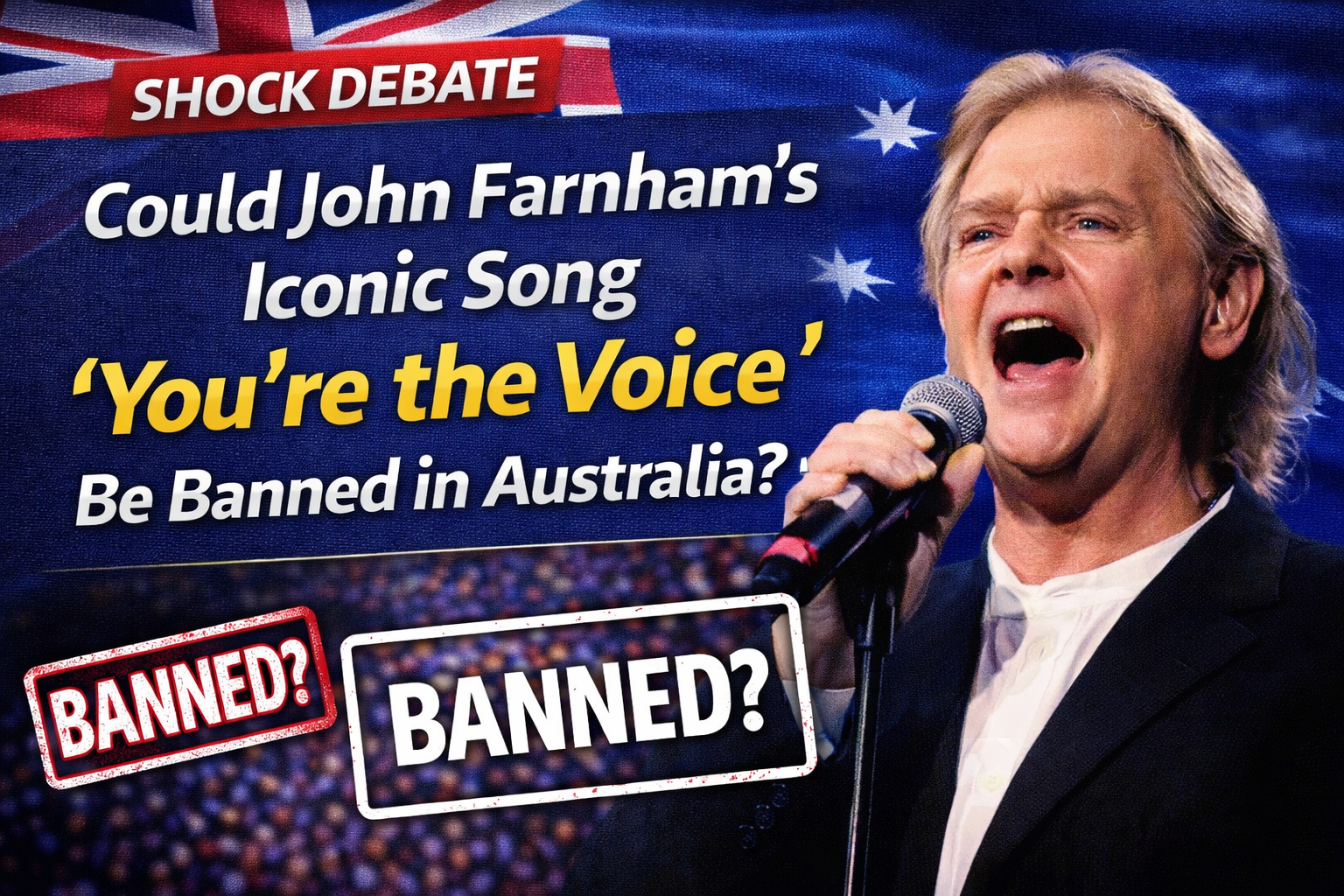
National Icon at Risk: Few songs have had the cultural impact of “You’re the Voice” by John Farnham. Released in the 1980s, it quickly became an anthem of unity, freedom, and standing up for one’s beliefs. Decades later, it remains one of the most recognizable songs in Australia.
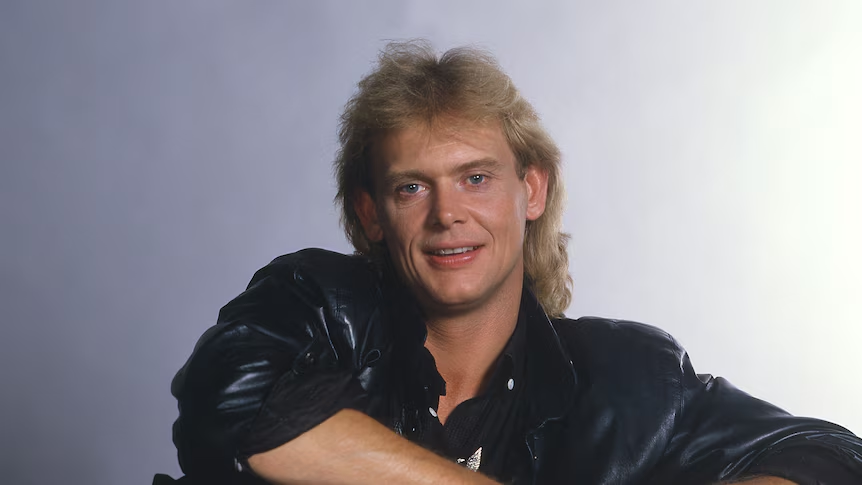
Recently, however, discussions have emerged suggesting that this iconic track could face restrictions or even a ban. This has raised questions among fans and the public: Is this really possible? Or is it simply a misunderstanding?
This fully paraphrased, SEO-optimized guide explains everything you need to know, including the origins of the controversy, legal realities, and what might actually happen.
The Legacy of “You’re the Voice”
“You’re the Voice” is not just a song—it is a symbol of empowerment. Performed by John Farnham, it became a defining moment in his career and a major success in Australian music history.
Why the song is so important
- It encourages people to speak up and take action
- It has been used in national events and public gatherings
- It continues to inspire multiple generations
The song’s message has remained relevant over time, making it a cultural cornerstone in Australia.
Why Are People Talking About a Ban?
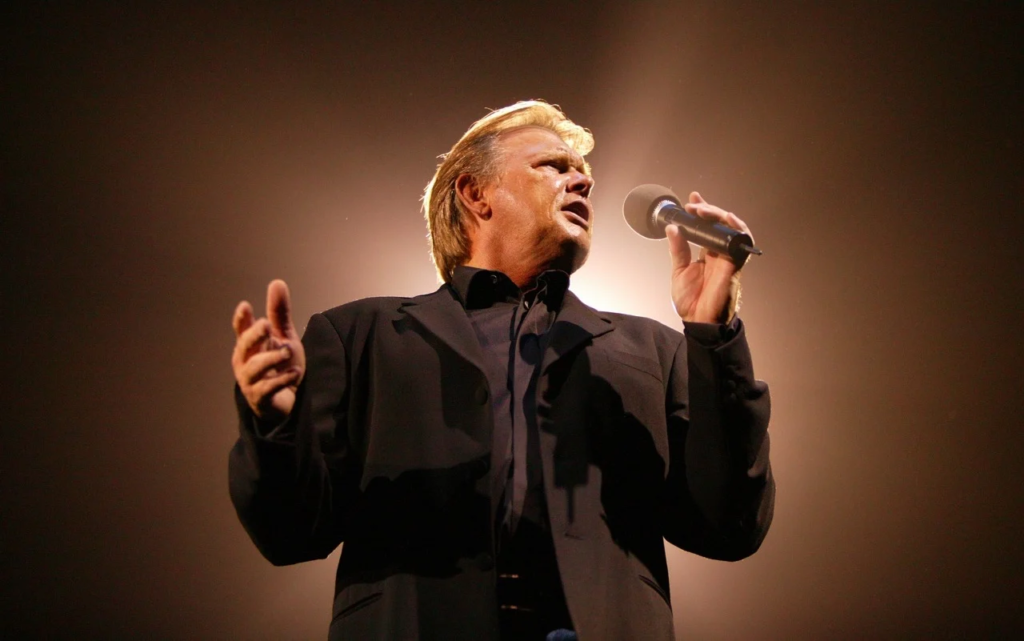
The idea of banning such a popular song may sound surprising, but the discussion comes from a combination of factors.
Political use of the song
Over the years, “You’re the Voice” has been used in political campaigns and rallies. This has led to debates about whether it is appropriate to associate the song with specific political messages.
Concerns about misuse
Artists and rights holders sometimes object when their music is used in ways they did not approve. If a song is used without permission, legal steps can be taken.
Changing social perspectives
As society evolves, people often reinterpret older content. While the song itself is not considered offensive, discussions about its use and meaning can still arise.
Can the Song Actually Be Banned?

Legal reality
In Australia, banning a song is extremely rare. There are strong protections for freedom of expression and artistic works.
For a song to be banned, it would typically need to:
- Promote harmful or illegal behavior
- Violate strict legal standards
- Be subject to government censorship
“You’re the Voice” does not meet these conditions.
What is more likely
Instead of a full ban, more realistic outcomes include:
- Restrictions on how the song is used
- Legal action against unauthorized use
- Public debate without official consequences
Understanding Copyright and Music Rights
Copyright laws give artists control over how their work is used.
Key points
- Music cannot be used publicly without proper permission
- Political campaigns often require licensing
- Unauthorized use can lead to legal action
In many cases, what people call a “ban” is actually enforcement of copyright rules.
Public Reaction to the Controversy
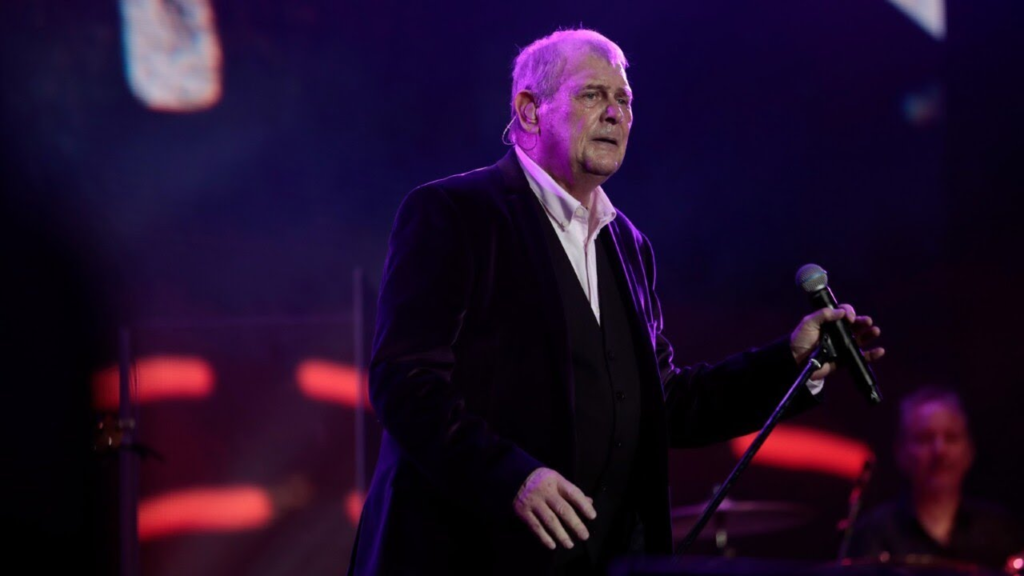
The discussion has sparked strong reactions across Australia.
Supporters of the song
Many people believe the song should remain untouched because:
- It is part of national identity
- It represents unity and freedom
- It has historical significance
Critics’ concerns
Others feel that:
- The song should not be used for political purposes
- Artists’ intentions should be respected
- Misuse can change its original meaning
Position of John Farnham and His Team
John Farnham has generally avoided political controversy, but those managing his music have taken steps to control how it is used.
Their priorities
- Protecting the integrity of the song
- Preventing unauthorized use
- Ensuring the message is not misrepresented
This usually results in legal notices rather than attempts to ban the song.
The Role of Media in the Debate
Media coverage has played a major role in spreading the idea of a possible ban.
How the story grows
- Headlines may exaggerate the situation
- Social media can spread incomplete information
- Discussions often lack full legal context
Reality vs perception
In most cases, the talk of a ban is more about public discussion than actual legal action.
Similar Situations in Music History
This situation is not unique. Other artists have faced similar issues.
Common examples
- Songs being restricted in political campaigns
- Artists objecting to certain associations
- Temporary limitations on use
However, complete bans of well-known songs are extremely uncommon.
Could There Be Restrictions Instead?
While a full ban is unlikely, certain limitations are possible.
Potential restrictions
- Blocking use in political events without permission
- Requiring proper licensing for public use
- Taking legal action against misuse
These measures protect the artist’s rights without removing the song from public access.
Impact on Fans and the Music Industry
For fans
- The song will likely remain available
- Emotional and cultural connections stay strong
- Awareness of artist rights increases
For the industry
- Highlights importance of copyright laws
- Encourages responsible use of music
- Reinforces artist control over their work
Cultural Significance of the Song
“You’re the Voice” continues to hold a special place in Australian culture.
Why it still matters
- Its message remains relevant
- It unites people across generations
- It is often associated with national pride
The song’s influence goes far beyond music.
What to Expect in the Future
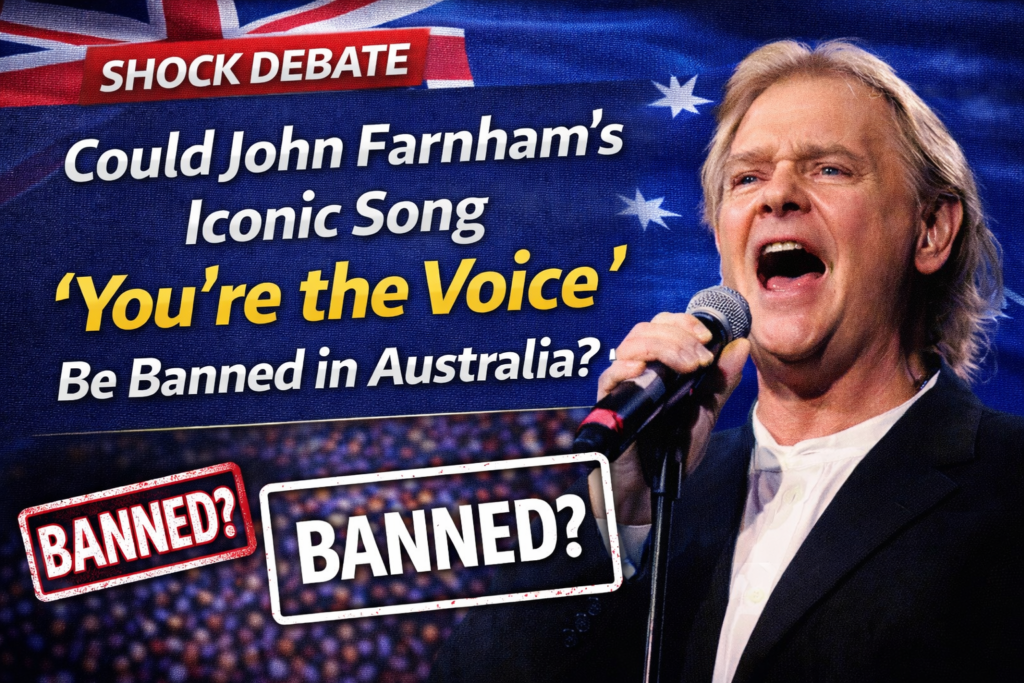
Looking ahead, the song is expected to remain widely recognized and respected.
Likely outcomes
- Continued popularity
- Ongoing discussions about usage
- Protection through copyright laws
It is highly unlikely that the song will disappear from public access.
Conclusion
The idea that “You’re the Voice” by John Farnham could be banned in Australia is largely a misunderstanding. While there may be restrictions on how the song is used—especially in political contexts—a complete ban is extremely unlikely.
At its core, this debate highlights the balance between artistic freedom, copyright protection, and public interpretation. Regardless of the controversy, the song’s legacy as a powerful anthem of unity and expression is expected to endure.
FAQs
1. Is “You’re the Voice” by John Farnham actually being banned in Australia?
No, there is no official ban on the song. The discussion mainly comes from concerns about how it is used, not the song itself being prohibited.
2. Why are people talking about banning the song?
The conversation started due to its use in political events and debates over whether it is being used without proper permission or in ways that do not reflect the artist’s intent.
3. Can a song be legally banned in Australia?
It is very rare. A song would need to violate strict laws, such as promoting harm or illegal activity. “You’re the Voice” does not meet these conditions.