
Introduction
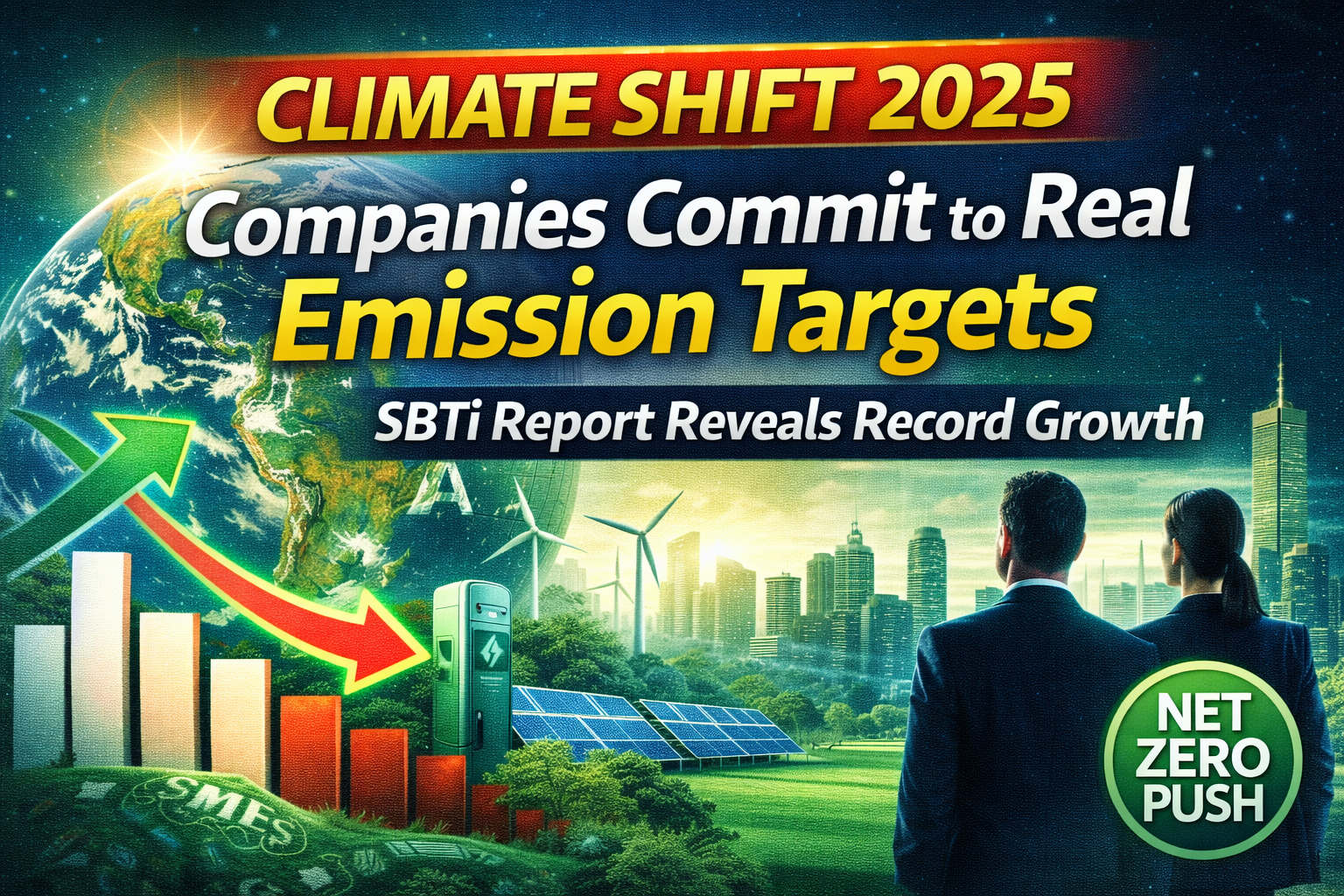
Global Business Turning Point: The global push toward climate action has reached a new milestone in 2025, as more companies than ever have committed to validated emission reduction targets, according to the Science Based Targets initiative (SBTi). This surge reflects a growing recognition among businesses that sustainability is no longer optional—it is essential for long-term success.

In this fully paraphrased, SEO-optimized article, we explore the significance of this trend, what SBTi validation means, why companies are stepping up, key sectors involved, challenges faced, and what this shift means for the future of corporate climate responsibility.
What Is the Science Based Targets Initiative (SBTi)?
The Science Based Targets initiative is a global body that helps companies set greenhouse gas (GHG) reduction targets aligned with climate science and the goals of the Paris Agreement.
Core mission
- Limit global warming to well below 2°C
- Encourage companies to reduce emissions responsibly
- Provide frameworks for measurable climate action
SBTi plays a crucial role in ensuring that corporate climate commitments are credible and transparent.
What Are Validated Emission Targets?

Validated emission targets are climate goals that have been independently reviewed and approved by SBTi to ensure they align with scientific benchmarks.
Key characteristics
- Based on scientific data
- Time-bound and measurable
- Aligned with global climate goals
- Transparent and verifiable
These targets go beyond general pledges by requiring concrete action plans.
2025 Milestone: A Record Number of Companies Join
In 2025, SBTi reported a significant increase in companies committing to validated targets.
Key highlights
- Thousands of companies across multiple sectors
- Rapid growth compared to previous years
- Increased participation from emerging markets
This milestone demonstrates a shift from voluntary pledges to accountable climate action.
Why Are More Companies Committing?
1. Regulatory Pressure
Governments worldwide are introducing stricter environmental regulations, pushing companies to adopt sustainable practices.
2. Investor Expectations
Investors are increasingly prioritizing companies with strong environmental, social, and governance (ESG) performance.
3. Consumer Demand

Modern consumers prefer brands that demonstrate environmental responsibility.
4. Risk Management
Climate risks such as extreme weather and supply chain disruptions are driving companies to act proactively.
Industries Leading the Transition
Several sectors are at the forefront of adopting validated emission targets.
Key industries
- Energy and utilities
- Manufacturing
- Technology
- Retail and consumer goods
These industries have significant carbon footprints, making their participation crucial.
Benefits of Setting Science-Based Targets

Environmental impact
- Reduction in greenhouse gas emissions
- Contribution to global climate goals
- Improved environmental sustainability
Business advantages
- Enhanced brand reputation
- Increased investor confidence
- Operational efficiency and cost savings
The Role of Net-Zero Commitments
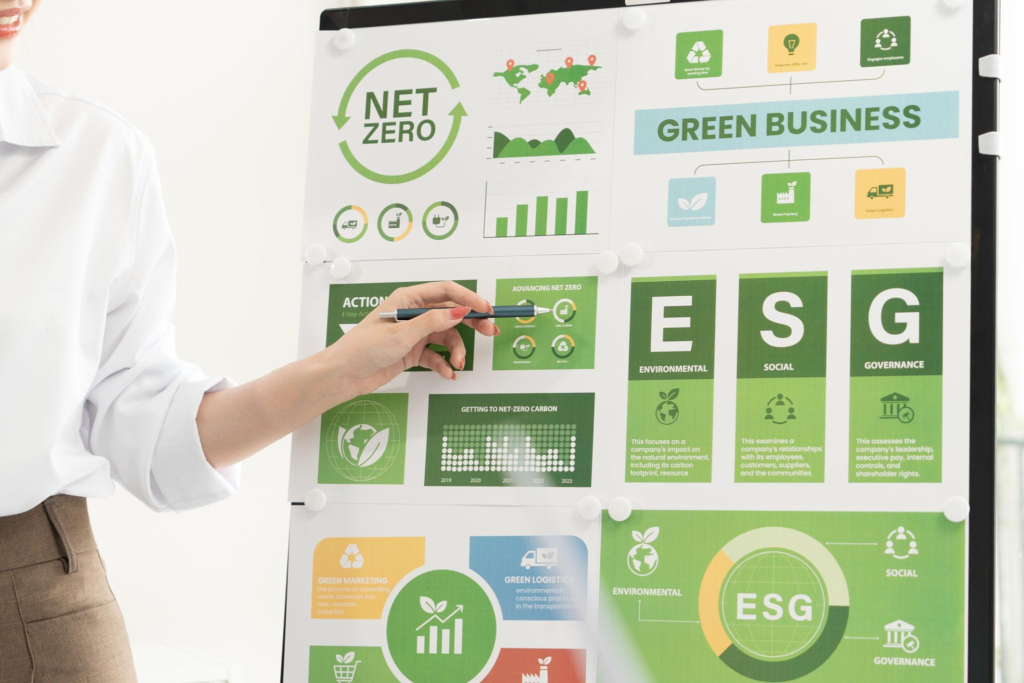
Many companies are not only setting emission reduction targets but also committing to net-zero emissions.
What is net-zero?
Net-zero means balancing the amount of greenhouse gases emitted with the amount removed from the atmosphere.
Importance
- Long-term climate stability
- Alignment with global climate agreements
- Corporate accountability
Challenges Companies Face
Despite progress, companies encounter several obstacles.
Common challenges
- High implementation costs
- Complexity of measuring emissions
- Supply chain dependencies
- Lack of technical expertise
Overcoming these challenges requires innovation and collaboration.
The Importance of Scope 1, 2, and 3 Emissions

Understanding emissions categories is critical.
Scope definitions
- Scope 1: Direct emissions from company operations
- Scope 2: Indirect emissions from energy use
- Scope 3: Emissions across the value chain
Scope 3 emissions are often the most difficult to manage but also the most impactful.
Role of Technology in Emission Reduction
Technology is a key enabler of sustainability efforts.
Examples
- Renewable energy solutions
- Carbon tracking software
- Energy-efficient systems
- Artificial intelligence for optimization
These tools help companies measure and reduce their carbon footprint.
Global Impact of Corporate Climate Action
The increase in validated targets has far-reaching effects.
Positive outcomes
- Accelerated global emission reductions
- Encouragement for other organizations
- Alignment with international climate goals
Corporate action is essential for achieving meaningful progress.
Regional Trends in 2025
Developed markets
- Strong regulatory frameworks
- High adoption rates
Emerging markets
- Rapid growth in participation
- Increasing awareness and investment
This global participation highlights the widespread importance of climate action.
Collaboration and Partnerships

Companies are working together to achieve their goals.
Types of collaboration
- Industry alliances
- Public-private partnerships
- Knowledge sharing initiatives
Collaboration helps overcome challenges and accelerates progress.
Transparency and Accountability
SBTi emphasizes transparency in reporting.
Why it matters
- Builds trust with stakeholders
- Ensures credibility
- Tracks progress effectively
Regular reporting is essential for maintaining accountability
Future Outlook for Corporate Climate Targets
The trend is expected to continue growing.
Predictions
- More companies adopting validated targets
- Stricter regulations worldwide
- Increased focus on net-zero goals
Sustainability will remain a central business priority.
Impact on Small and Medium Enterprises (SMEs)
SMEs are also joining the movement.
Benefits for SMEs
- Access to global markets
- Improved efficiency
- Competitive advantage
Support programs are helping smaller businesses participate.
Role of Governments and Policy
Governments play a crucial role in supporting corporate action.
Key actions
- Incentives for green initiatives
- Carbon pricing mechanisms
- Regulatory frameworks
Policy support accelerates adoption of emission targets.
Consumer Influence on Corporate Behavior
Consumers are driving change.
Key trends
- Preference for sustainable products
- Increased awareness of climate issues
- Demand for transparency
This shift is influencing corporate strategies.
Conclusion
The surge in companies committing to validated emission targets in 2025, as reported by the Science Based Targets initiative, marks a significant step forward in the fight against climate change.
This movement reflects a broader transformation in how businesses operate—moving from short-term profits to long-term sustainability. While challenges remain, the progress made so far is encouraging and highlights the critical role of corporate action in achieving global climate goals.
FAQs
1. What is the Science Based Targets initiative (SBTi)?
The Science Based Targets initiative is a global organization that helps companies set emission reduction targets aligned with climate science and international goals.
2. What are validated emission targets?
Validated emission targets are climate goals reviewed and approved by SBTi to ensure they meet scientific standards for reducing greenhouse gas emissions.
3. Why are more companies committing to emission targets in 2025?
Companies are responding to stricter regulations, investor pressure, consumer demand, and the need to manage climate-related risks.