
Introduction
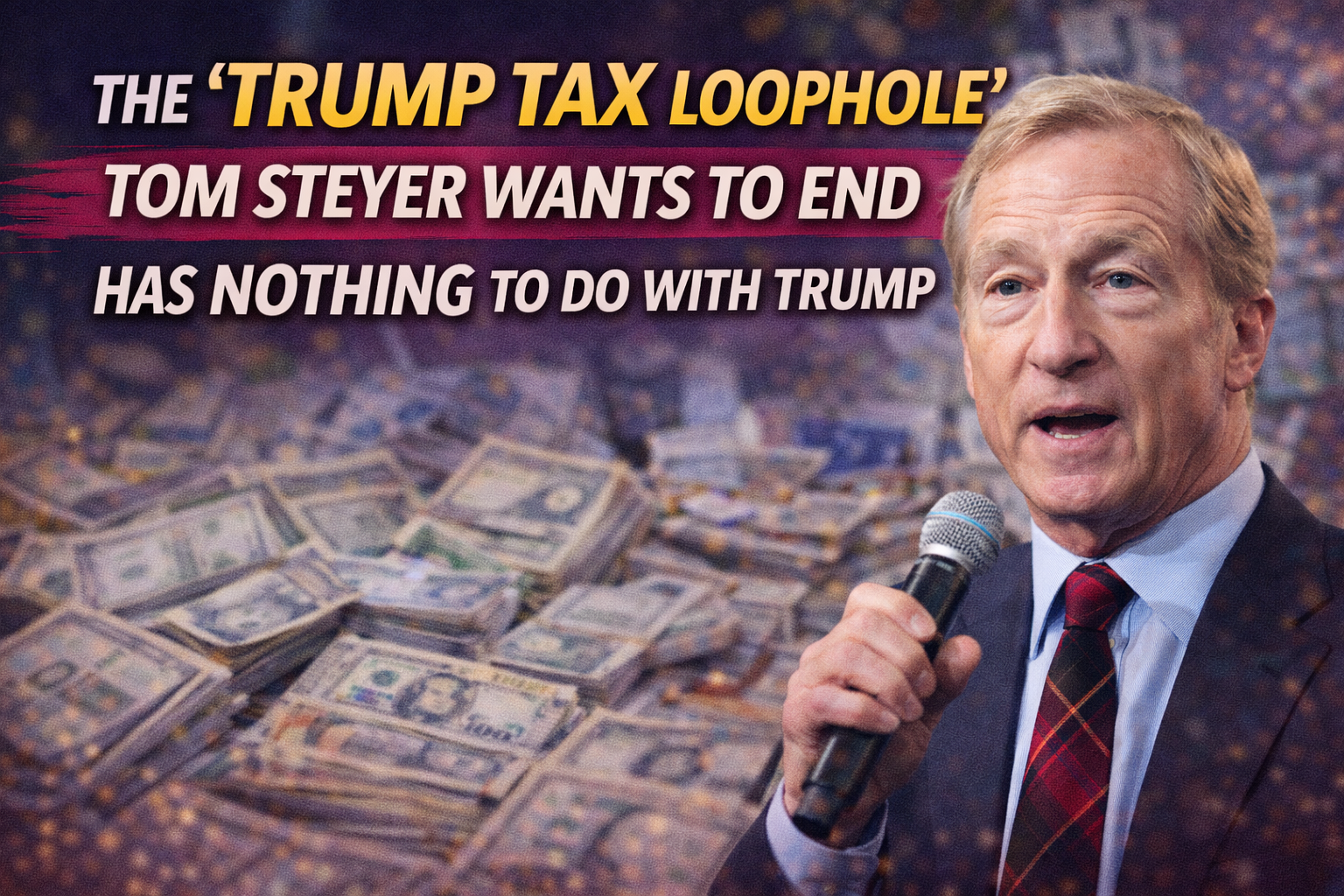
Tax Justice: The phrase “Trump tax loophole” has become a widely used political talking point in recent years. However, despite its name, the provision in question has little to do directly with former U.S. President Donald Trump. Instead, it refers to a longstanding tax rule that critics argue disproportionately benefits wealthy investors.
Now, billionaire investor and activist Tom Steyer is pushing to eliminate this loophole, arguing that it contributes to inequality and distorts the tax system.
What Is the “Trump Tax Loophole”?

Despite the label, the so-called “Trump tax loophole” typically refers to tax provisions that allow certain income—particularly from investments—to be taxed at lower rates than regular wages.
Key Features
- Lower tax rates on capital gains
- Benefits for high-income investors
- Legal under current tax law
The name gained traction during political debates, but the rule predates modern administrations.
Why Is It Called the “Trump Tax Loophole”?
The nickname emerged during political campaigns and public discourse.
Reasons for the Name
- Association with wealthy individuals
- Media framing during tax debates
- Political messaging strategies
Importantly, the loophole is not unique to Donald Trump.
Who Is Tom Steyer?


Tom Steyer is a prominent investor turned political advocate.
Background
- Founder of Farallon Capital
- Climate and economic reform advocate
- Former presidential candidate
He has been vocal about tax reform and wealth inequality.
Why Steyer Wants the Loophole Closed
Main Arguments
- Promotes tax fairness
- Reduces inequality
- Ensures wealthy individuals pay more
Steyer argues that the current system favors capital over labor.
How the Loophole Works


Mechanism
- Investment income taxed at lower rates
- Long-term gains receive preferential treatment
- High earners benefit most
This creates a gap between how different types of income are taxed.
Critics vs Supporters
Critics Say
- It widens wealth inequality
- It favors the rich
- It reduces government revenue
Supporters Say
- It encourages investment
- It supports economic growth
- It rewards risk-taking
Historical Background


The tax treatment of investment income has evolved over decades.
Key Points
- Longstanding policy
- Adjusted by multiple administrations
- Central to economic debates
Economic Implications
Potential Effects of Closing the Loophole
- Increased tax revenue
- Changes in investment behavior
- Redistribution of tax burden
Impact on Everyday Americans

Considerations
- Indirect economic effects
- Potential policy changes
- Broader tax system impact
Political Debate Around the Issue


The loophole has become a focal point in political discussions.
Themes
- Fairness vs growth
- Wealth distribution
- Government policy
Misconceptions About the Loophole
Common Myths
- It was created by Trump
- It only benefits politicians
- It is illegal
In reality, it is a legal and longstanding part of tax policy.
What Could Happen Next?
Possible Scenarios
- Legislative reform
- Partial adjustments
- Continued status quo
Broader Tax Reform Discussions


The loophole debate is part of a larger conversation.
Topics
- Tax equity
- Economic growth
- Fiscal policy
Conclusion
The so-called “Trump tax loophole” is less about Donald Trump and more about how the U.S. tax system treats different types of income. As Tom Steyer and others push for reform, the debate highlights deeper questions about fairness, growth, and the role of government in shaping economic outcomes.
Whether or not changes are made, the issue will likely remain central to political and economic discussions in the years ahead.
FAQs
1. What is the “Trump tax loophole”?
It generally refers to tax rules that allow certain types of income—especially investment income—to be taxed at lower rates than regular wages.
2. Does the loophole actually have anything to do with Donald Trump?
No. Despite the name, the provision existed long before Trump and is not directly tied to him.
3. Why is it called the “Trump tax loophole”?
The term became popular in political and media discussions as a way to highlight tax advantages associated with wealthy individuals.