
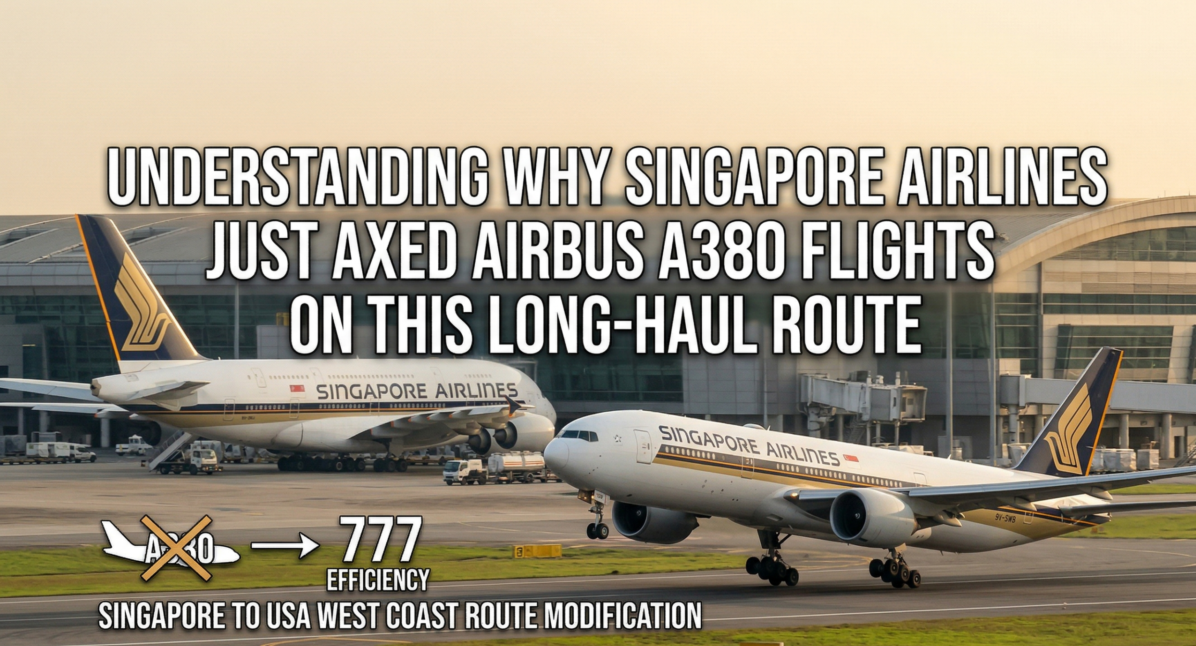
The commercial aviation industry is constantly evolving to survive in an unpredictable and highly volatile global economy.
For frequent flyers and luxury travel enthusiasts, the Airbus A380 remains the absolute pinnacle of passenger comfort and engineering.
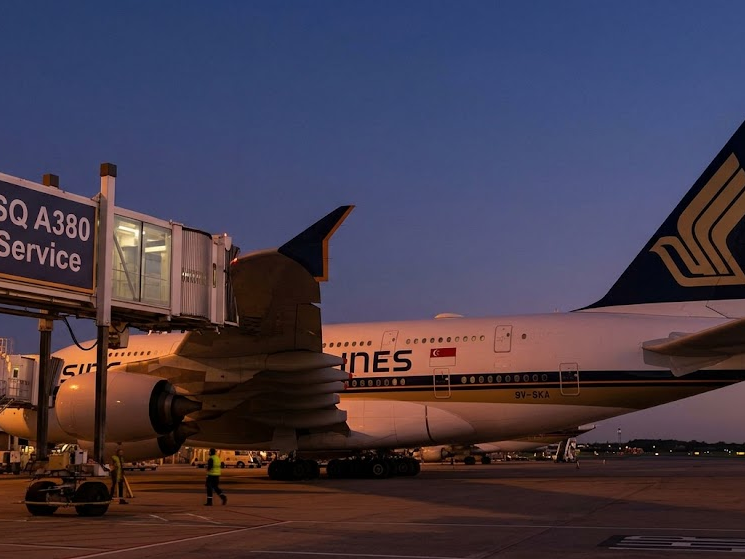
Singapore Airlines holds a highly prestigious position in aviation history as the global launch customer for this iconic double-decker superjumbo.
Countless international passengers specifically go out of their way to book tickets on the Singapore Airlines A380 just to experience the legendary Suites Class.
However, even the most beloved and luxurious aircraft must occasionally be pulled from highly anticipated routes due to sudden external circumstances.
Major airlines rigorously plan their massive international flight schedules many months in advance to ensure maximum efficiency.
They carefully and strategically allocate their largest, most expensive aircraft to the most profitable global destinations.
Recently, the prestigious carrier made global headlines by suddenly announcing a major, entirely unexpected adjustment to its Northern Summer 2026 flight schedule.
This major corporate news involves the sudden and complete removal of the flagship Airbus A380 from one of its most prominent Middle Eastern long-haul routes.
Industry analysts, travel bloggers, and disappointed frequent flyers immediately began questioning the reasoning behind this sudden logistical pivot.
This highly comprehensive, SEO-optimized article explores exactly why Singapore Airlines just axed Airbus A380 flights on this long-haul route.
We will deeply examine the underlying geopolitical factors, the massive shift in global passenger demand, and exactly where these massive superjumbos will be flying instead.
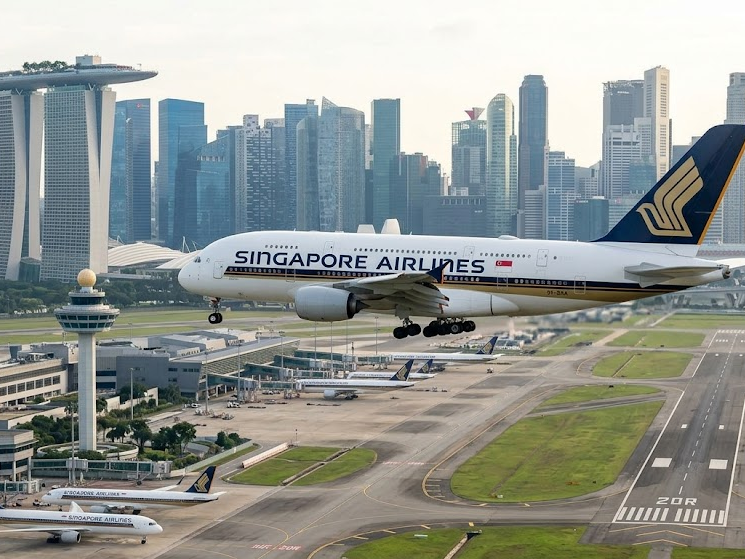
The Original Operational Blueprint: A Massive Upgrade for Dubai
To truly understand the massive scale of this sudden aviation cancellation, we must first look at the airline’s original operational blueprint for the 2026 travel season.
For many consecutive years, Singapore Airlines has successfully operated a highly lucrative, consistent daily passenger service between Singapore Changi Airport and Dubai International Airport.
This essential Middle Eastern transit route covers a substantial geographical distance of over 3,100 nautical miles.
It serves as a vital economic and tourism link between Southeast Asia and the booming United Arab Emirates.
Historically, this specific and popular route has been reliably served by the highly efficient, twin-engine Boeing 777-300ER aircraft.
A few months prior to the start of the summer flying season, Singapore Airlines made a highly celebrated public announcement regarding this exact flight path.
The airline proudly and confidently declared that starting on March 29, 2026, the Dubai route would finally receive a massive capacity upgrade.
The ambitious corporate plan was to officially replace the standard 264-seat Boeing 777-300ER with the massive, 471-seat Airbus A380 superjumbo.
This proposed massive upgrade was heavily designed to perfectly align with the beginning of the highly regulated IATA northern aviation summer schedule.
Deploying the massive A380 would have drastically increased the daily round-trip seating capacity on the Dubai route to a staggering 942 total seats.
Frequent flyers were incredibly excited about the rare opportunity to fly the world-class, ultra-luxurious A380 Suites Class directly to the United Arab Emirates.
This bold move strongly signaled that the airline was highly confident in the rapidly surging demand for premium, long-haul travel to the Middle East.
Unfortunately, this highly ambitious capacity expansion was entirely derailed before the very first superjumbo could even take off from the runway.
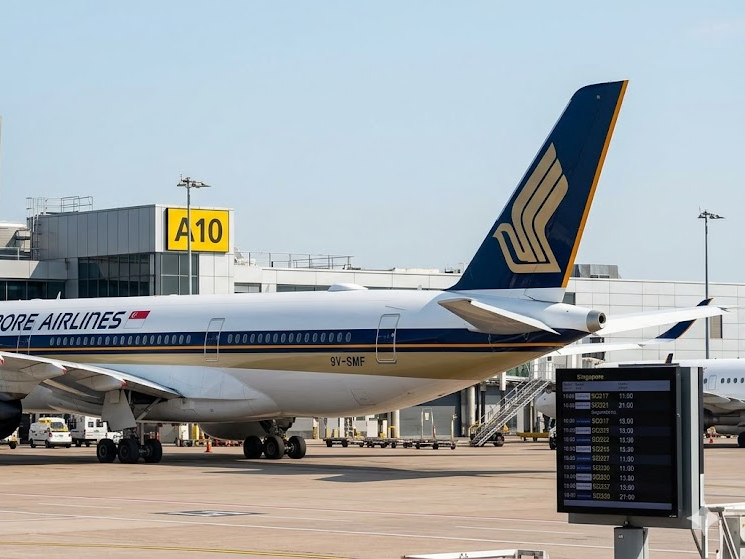
The Root Cause: Severe Geopolitical Volatility and Regional Conflict
The primary, undeniable reason behind this massive operational cancellation is entirely tied to sudden, severe geopolitical instability in the Middle East.
Commercial airlines operate in a highly sensitive, deeply interconnected global environment where political conflicts can instantly destroy years of careful route planning.
The escalating international conflict and the resulting massive volatility across the entire Persian Gulf region have created an absolute logistical nightmare for global aviation.
When regional military conflicts violently erupt, commercial passenger airlines are immediately forced to completely reconsider their established flight paths.
This immediate reassessment is absolutely necessary to guarantee the total safety and security of their passengers, crew, and expensive aircraft.
Airspace closures and the severe threat of unpredictable military activity make operating civilian flights in highly contested regions incredibly dangerous.
It also makes operating these specific routes incredibly expensive due to skyrocketing aviation insurance premiums and necessary flight path detours.
Consequently, the massive consumer demand for discretionary tourism and non-essential business travel to the Middle East has completely plummeted.
Singapore Airlines closely and nervously monitored the terrifying geopolitical situation unfolding across the region.
Executive leadership quickly realized that sending their largest, most recognizable aircraft into a volatile region was a massive financial and safety risk.
Forward ticket bookings for the upcoming summer season violently dropped off as deeply concerned passengers began actively cancelling their Middle Eastern travel plans.
It makes absolutely zero financial or logical sense for a major airline to deploy a massive 471-seat aircraft when passenger demand has completely evaporated overnight.
Flying a mostly empty, highly expensive four-engine superjumbo across the Indian Ocean would result in massive, entirely preventable financial losses for the carrier.
Therefore, the harsh but highly necessary executive decision was officially made to axe the Airbus A380 from the Dubai route entirely to protect the company’s bottom line.
The Immediate Impact on Passenger Schedules and Network Capacity
The sudden, abrupt removal of the Airbus A380 was merely the very beginning of the massive operational changes affecting the Singapore to Dubai route.
Because the regional security and safety situation was deteriorating so rapidly, simply downgrading the aircraft type was no longer considered a sufficient precautionary measure.
Singapore Airlines subsequently took the highly unusual and dramatic step of temporarily closing all passenger bookings for the entire Dubai route.
Official aviation tracking data showed that all scheduled passenger flights on this specific route were completely suspended between late March and early May.
This massive schedule suspension left countless international travelers frantically scrambling to completely rebook their urgent travel plans on alternative global carriers.
Initially, the airline tentatively and optimistically hoped to safely resume A380 operations to Dubai by early May if the regional conflict miraculously de-escalated.
However, as the harsh and unfortunate realities of the prolonged conflict became completely apparent, those highly optimistic corporate plans were quickly scrapped.
The current, heavily revised operational plan dictates that passenger flights to Dubai will eventually resume, but not until June 2, 2026.
Furthermore, when the vital international route finally does safely reopen to the flying public, the glamorous Airbus A380 will absolutely not be making an appearance.
Instead, the reinstated route will officially revert back to the much smaller, far more conservative 264-seat Boeing 777-300ER aircraft.
This massive, unexpected operational downgauge perfectly reflects the deeply reduced passenger demand in the current market.
It also showcases the airline’s highly cautious, conservative approach to Middle Eastern flight operations during times of severe international crisis.
Analyzing the Route’s Complex Demographics and Transfer Traffic
To truly comprehend the intricate financial mechanics behind this specific route cancellation, we must carefully analyze exactly who actually flies between Singapore and Dubai.
Unlike the massive, sprawling super-hub operations of regional competitors like Emirates, Singapore Airlines commands a much smaller overall share of this specific local market.
Internal aviation data indicates that the vast majority of passengers flying Singapore Airlines to Dubai are actually direct, point-to-point travelers.
However, while connecting transfer passengers make up a smaller total percentage of the cabin, they remain absolutely critical to the overall financial viability of the route.
The route heavily relies on an essential, steady flow of transfer traffic originating from key Southeast Asian nations, particularly Indonesia and the Philippines.
Due to the massive, hardworking population of overseas Filipino workers residing in the United Arab Emirates, the Dubai-Singapore-Manila connecting route is incredibly popular.
Secondary transfer markets like Bali, Jakarta, and Surabaya also contribute heavily to successfully filling the massive economy cabins on these long-haul flights.
When the terrifying threat of regional war emerged on the global news, this highly sensitive transfer traffic was the very first demographic to completely vanish from the booking system.
Without the crucial, steady volume provided by these vital Southeast Asian transfer passengers, filling an enormous A380 superjumbo becomes mathematically impossible.
The significantly smaller Boeing 777-300ER is vastly better suited to efficiently handle the heavily reduced, baseline point-to-point demand that currently remains for this specific city pairing.
Where Are the Flagship Airbus A380s Flying Now?
When a massive global airline abruptly removes its flagship aircraft from a major daily route, that massive plane does not simply sit idle on the tarmac.
An Airbus A380 is an incredibly expensive, multi-million dollar corporate asset that absolutely must remain actively flying in the sky to successfully generate revenue.
The sudden, entirely unexpected cancellation of the Dubai A380 service immediately freed up a massive amount of premium superjumbo network capacity.
Aviation analysts and passionate frequent flyers immediately began intensely tracking the updated flight schedules to see where this displaced aircraft would ultimately be reassigned.
Interestingly, it appears that the vibrant Australian city of Melbourne has become the primary, highly fortunate beneficiary of Dubai’s unfortunate loss.
After a noticeable and highly lamented absence, Singapore Airlines officially restored highly lucrative daily Airbus A380 flights to Melbourne starting in late March.
This massive capacity shift clearly demonstrates the airline’s brilliant strategic agility in rapidly redirecting expensive assets toward safer, highly profitable consumer markets.
Beyond the Melbourne addition, the Northern Summer 2026 schedule highlights a deeply stabilized, highly robust Airbus A380 network for the prestigious carrier.
London Heathrow, Frankfurt, and Sydney will all happily continue to receive highly consistent, uninterrupted daily superjumbo service throughout the entire summer season.
Other major Asian business hubs like Delhi, Mumbai, and Shanghai will also see heavy, frequent A380 deployments to meet surging regional demand.
This incredibly strong summer schedule represents a massive, highly celebrated operational recovery milestone for the entire airline fleet following previous maintenance bottlenecks.
Maintenance delays that previously grounded multiple superjumbos have been significantly reduced, allowing for far better schedule reliability across the globe.
While Dubai tragically lost its massive luxury upgrade, the overall global presence of the Singapore Airlines A380 remains incredibly strong and highly visible to travelers.
The Broader Industry Trend of Avoiding the Persian Gulf
It is highly important for travelers to note that Singapore Airlines is absolutely not alone in making these massive, highly disruptive network adjustments.
The sudden, sharp removal of the A380 from the Dubai route is part of a much larger, highly concerning global aviation trend currently unfolding.
Major commercial airlines across the entire globe are currently aggressively altering their flight schedules in direct response to the ongoing Middle Eastern conflict.
For instance, massive global carriers like Qatar Airways have been heavily forced to temporarily suspend civilian passenger flights to dozens of regional destinations.
Other highly prominent western airlines, such as Virgin Atlantic, have completely abandoned specific Middle Eastern routes entirely after less than a single year of operation.
Even massive regional powerhouse Emirates has been heavily forced to temporarily pull its own Airbus A380s from multiple previously highly profitable routes within the immediate conflict zone.
The highly complex, deeply interconnected nature of the modern global aviation network means that a single regional conflict instantly creates massive worldwide logistical ripples.
Airlines simply cannot and will not risk the absolute safety of their dedicated crew members, their paying passengers, or their highly expensive fleet of aircraft.
Until a peaceful, permanent diplomatic solution is finally reached in the affected region, airlines will undoubtedly continue to heavily alter their international schedules.
The highly volatile, deeply unpredictable nature of the Middle East currently makes long-term, stable capacity planning an absolute nightmare for aviation executives and route planners.
Conclusion
In absolute conclusion, the highly specific reason why Singapore Airlines just axed Airbus A380 flights on this long-haul route is deeply rooted in modern global geopolitics.
The highly anticipated, massive capacity upgrade for the vital Singapore to Dubai route was completely destroyed by severe, escalating conflict and regional instability.
Faced directly with rapidly plummeting passenger demand, incredibly dangerous airspace security concerns, and massive potential financial losses, the airline had absolutely no other viable choice.
They were heavily forced to act swiftly, temporarily suspending the highly lucrative route entirely and completely abandoning their highly ambitious summer superjumbo deployment plans.
When the essential international route finally does safely resume daily operations later this summer, it will be serviced by the significantly smaller, far more practical Boeing 777-300ER.
While this massive cancellation is undeniably highly disappointing for luxury aviation enthusiasts looking forward to Suites Class, it perfectly showcases the incredible strategic agility required in modern aviation.
Singapore Airlines brilliantly and rapidly pivoted under immense pressure, successfully redeploying their highly valuable Airbus A380 assets to safer, far more profitable global markets like Melbourne.
This entire, highly complex geopolitical saga serves as a massive, sobering public reminder of how incredibly fragile international airline schedules truly are in today’s unpredictable world.
FAQs
Q1. Why did Singapore Airlines abruptly cancel the planned Airbus A380 flights to Dubai?
Singapore Airlines was heavily forced to abruptly cancel the planned Airbus A380 flights to Dubai primarily due to severe, escalating geopolitical conflict and instability in the Middle East.
The highly volatile global situation caused a massive, immediate drop in forward passenger bookings and raised incredibly serious airspace safety concerns for the airline’s executive leadership.
Q2. When will regular passenger flights between Singapore and Dubai officially resume?
After completely suspending the vital international route for several weeks due to severe regional safety concerns, current airline schedules indicate that commercial flights will eventually resume.
Singapore Airlines currently plans to officially restart daily passenger service on the vital Singapore to Dubai route starting on June 2, 2026.
Q3. Where is Singapore Airlines currently flying its remaining Airbus A380 fleet instead of Dubai?
Despite the massive, highly unfortunate cancellation of the Dubai superjumbo route, Singapore Airlines is still heavily and successfully utilizing its A380 fleet globally.
During the busy Northern Summer 2026 season, the massive double-decker aircraft will consistently fly daily to major, high-demand global hubs like London Heathrow, Frankfurt, and Sydney.